Recent Solar Geoengineering Developments Highlight Dangers of Normalization and Need to Advance Non-Use
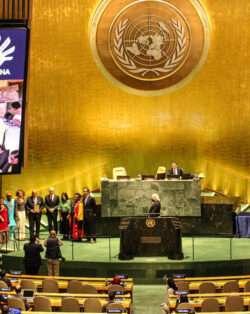
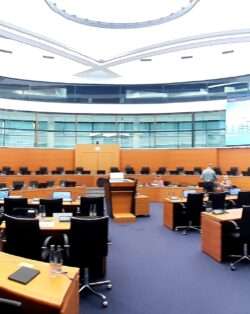
International Court of Justice Climate Ruling Follow-Up Resolution Is a Test of Climate Leadership at the UN
Charting the Path to a Fossil-Free Future in Santa Marta and Beyond: What the Conference Must Deliver
The European Commission’s Toxic Relationship: How Corporate Influence is Rewriting European Union Policy
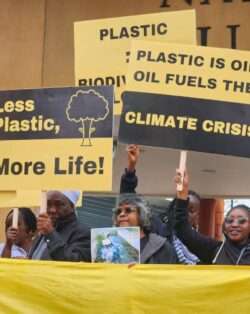
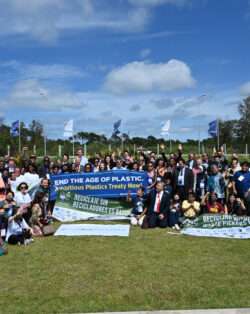
From the Court to Treaty Negotiations: How the ICJ Ruling Could Strengthen the Global Plastics Treaty
Propping Up a Failing Industry: How Overcapacity, Tariffs, and Subsidies Are Masking the Plastics and Petrochemical Crisis
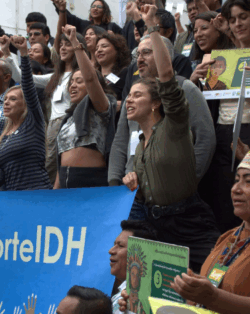
CorteIDH y clima: Lo que la Opinión Consultiva podría significar para los derechos humanos y la justicia climática
False Solutions Face Real Resistance: Air Products’ Retreat Reveals Cracks in the Carbon Capture Market
Grounding the New Legally Binding Instrument on Transnational Corporations on the Right to a Healthy Environment
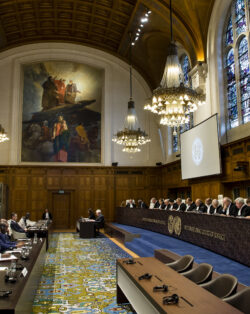
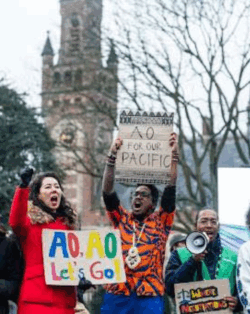
“Will The Law Rise to Meet Its Highest Calling?” The Historic ICJ Climate Hearings on Climate Justice
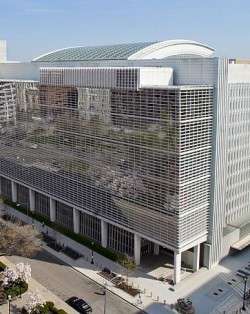
2024 World Bank and IMF Spring Meetings: A Crucial Moment for Economic Decolonization and Climate Action
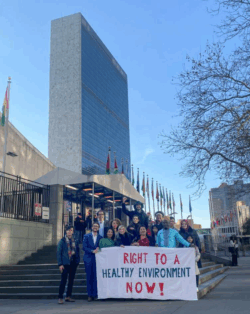
The Global Coalition for the Right to a Healthy Environment: Making History & Protecting Our Collective Future
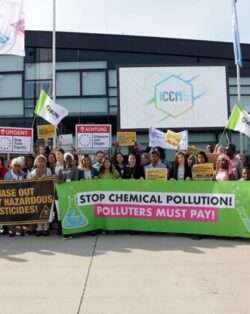
Paving the Way to a Toxic-Free Planet: The New Global Framework on Chemicals – for a Planet Free of Harm from Chemicals and Waste
The Time is Now: Transitional Committee Must Make Progress on a Rights-Compatible Loss and Damage Fund
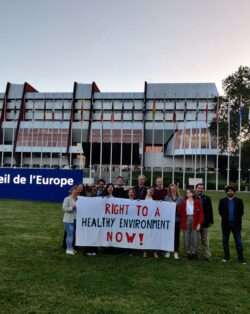
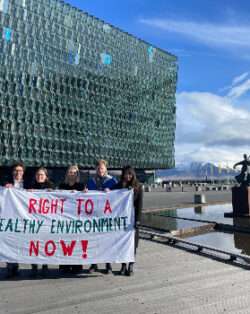
Litmus Test for the Council Of Europe: Time to Recognize and Protect the Right to Healthy Environment at the Reykjavik Summit
The Inter-American Development Bank Closes the Door on Justice for Chilean Communities Affected by Alto Maipo